Rough ends usually build slowly
Ends often feel rough when the hair has been dealing with repeated heat, friction, tight styling or rough detangling. It is rarely just one bad hair day.
That is why the best fix usually looks like lower daily stress rather than one miracle product.
Condition with more intention
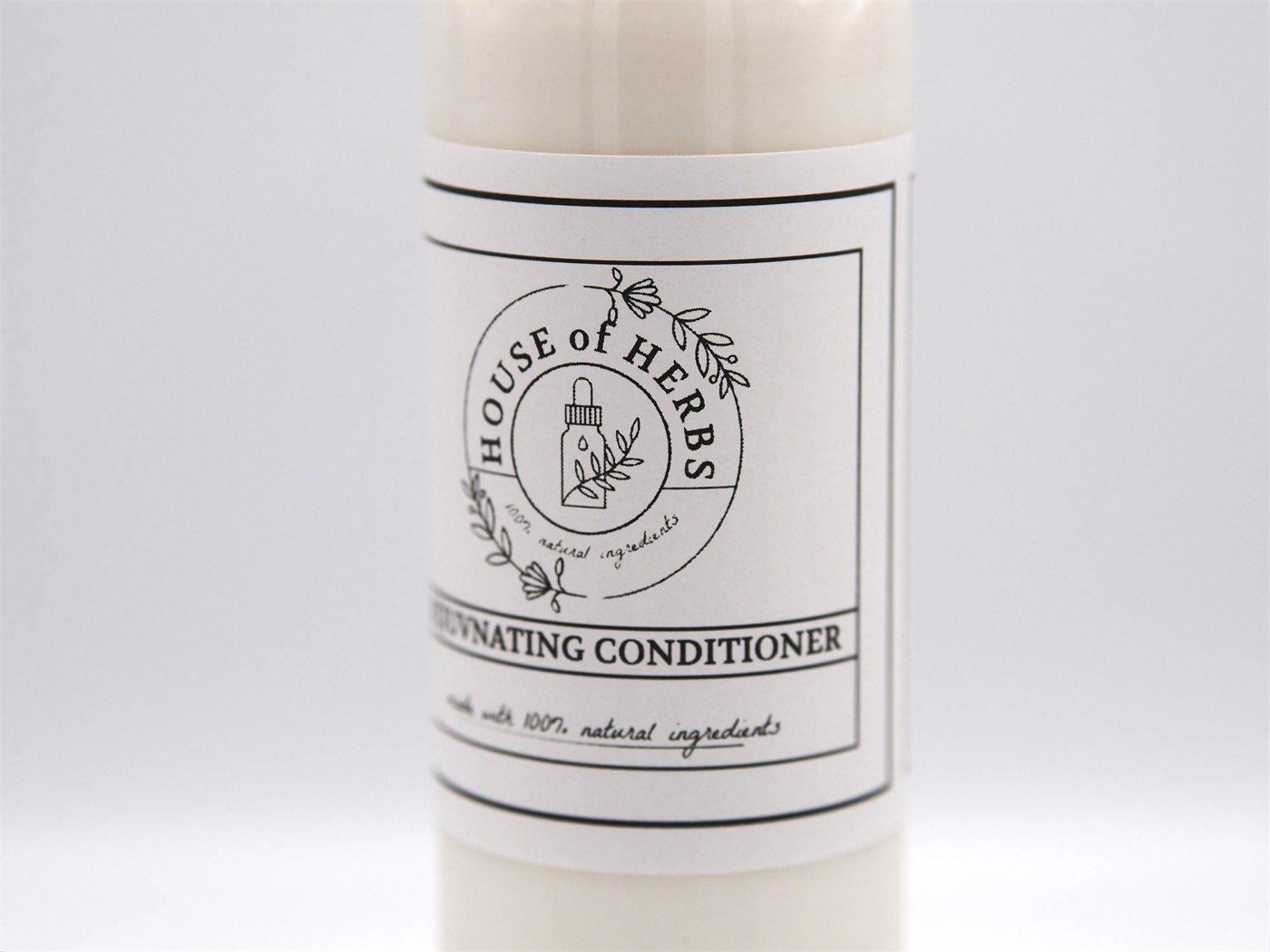
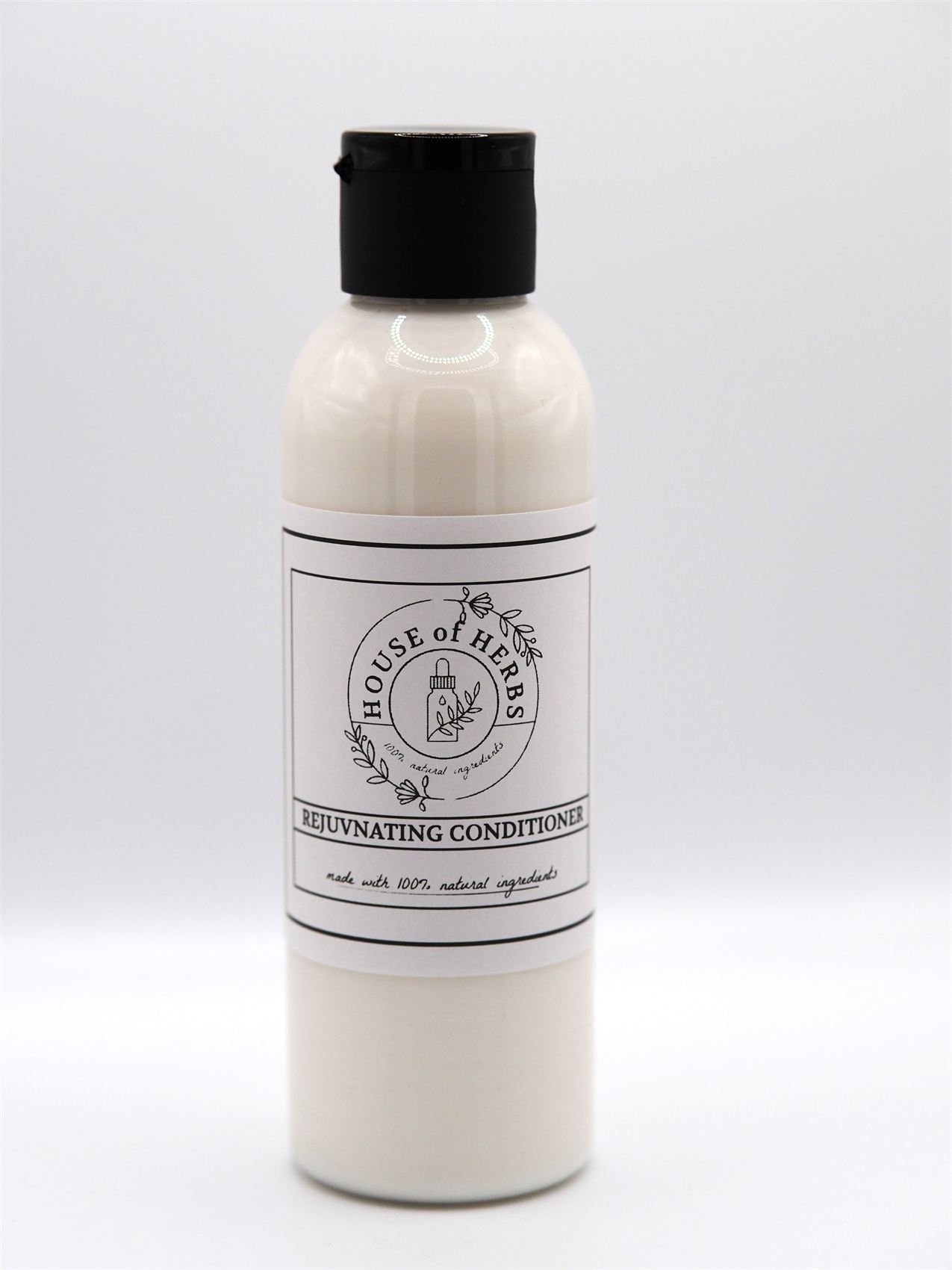
Ends need slip and softness more than the roots do. A conditioner used through the lengths can help hair feel smoother and easier to manage without flattening the scalp.
If you want to add oil, keep it sparing and focused. Rough ends improve more with consistent support than with a heavy coating once in a while.
- Detangle patiently instead of pulling through resistance
- Use less heat where possible
- Keep your softer finish steps mostly on the lengths
Support the hair between wash days too
Breakage prevention does not only happen in the shower. Friction from brushing, rough tying and constant manipulation matters just as much.
If the lengths already feel rough, the best routine is the one that lowers daily strain and keeps the hair easier to handle week after week.

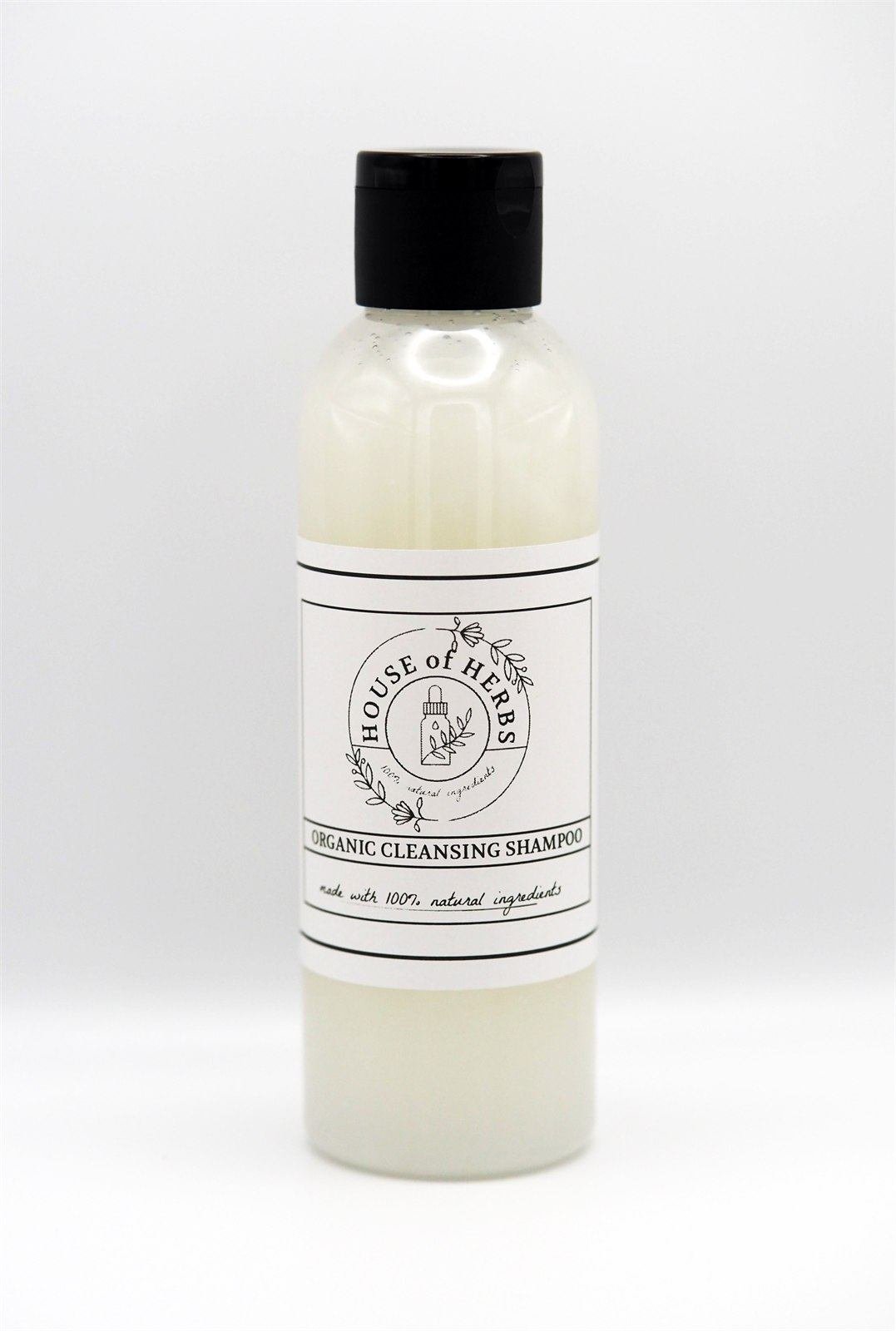
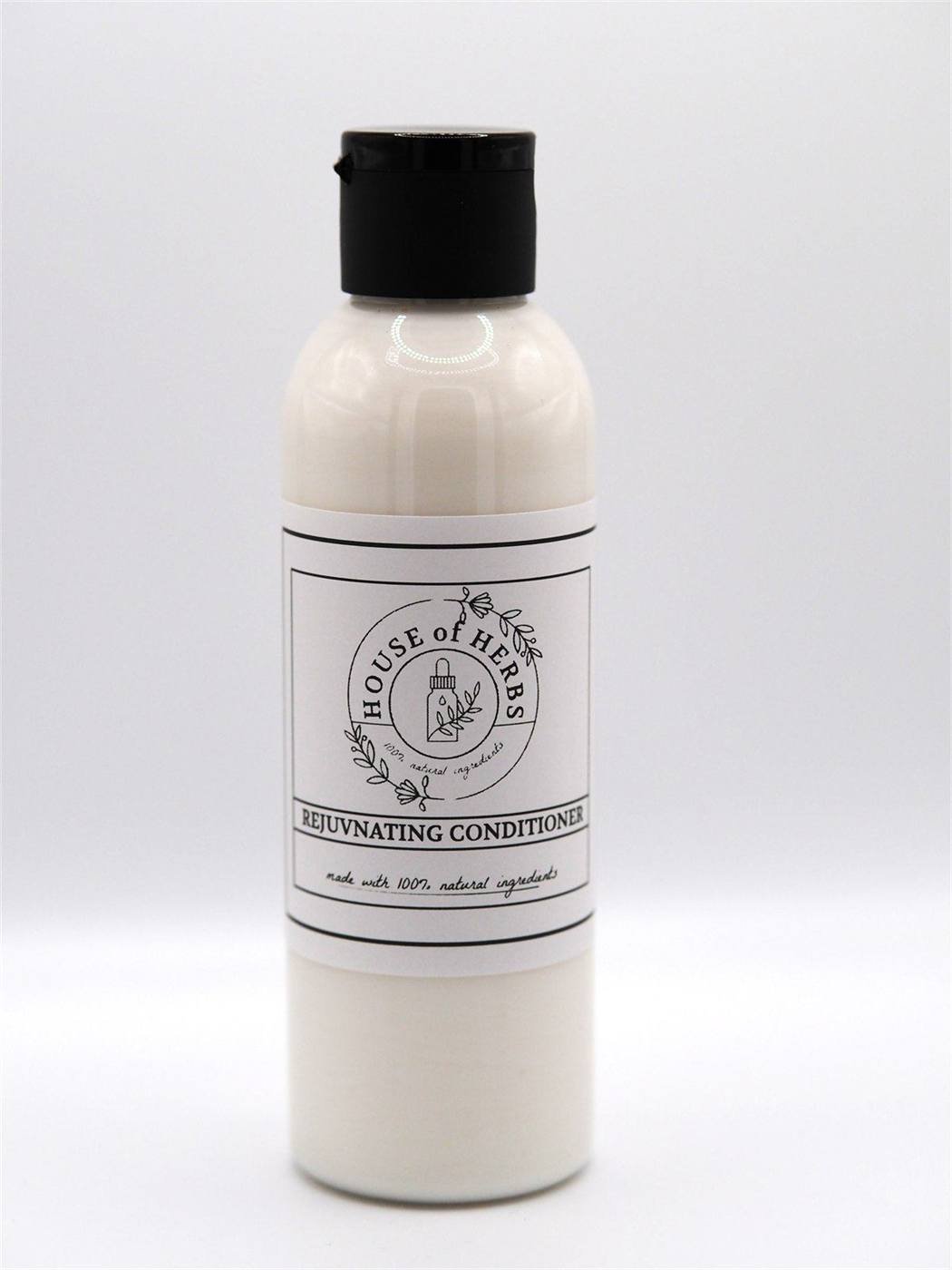
Leave a comment or share what helped.
Readers can leave a public comment on each guide. Keep it useful, respectful and relevant to the article.